
It’s 16 years since the Rudd-Gillard-Rudd Federal Labor Government managed to rile the entire Australian mining industry with its resources super profits tax policy and its Albanese successor appears intent on reviving the spirit of those times.
In May, the Federal Budget was released by Jim Chalmers, with the Treasurer going all-in on addressing Australia’s generational inequality and housing crises by pulling taxation levers. The centrepiece of the budget are changes to two instruments widely used by property investors – negative gearing and the Capital Gains Tax (CGT) discount.
At first glance, it would appear a sensible political, if mildly populist, move to target property investors given current public opinion regarding housing affordability, but the Government was so laser-focused on that specific issue, it has ignored the knock-on consequences for other sectors.
I haven’t space to go into negative gearing here but will focus on the proposed removal of the 50% CGT discount. If Canberra had the slightest understanding of how the exploration sector works and its role in the national mining story, it would have already prepared the groundwork for a carve out on the CGT discount for exploration companies.
Removing the discount will be a kick in the guts to the exploration sector, which relies almost exclusively on the high-risk, high-reward incentive to attract investors. It is already difficult to find investors willing to stump up funds for such exploration plays when so much investment capital is now soaked up by passive index funds and the like. Removing individuals’ ability to cash in on a successful investment will make it almost impossible. The same amount of risk, but significantly less reward.
While it may only directly impact the junior sector, such is the delicate balance of the resources ecosystem, the damage will inevitably flow into the wider mining sector.
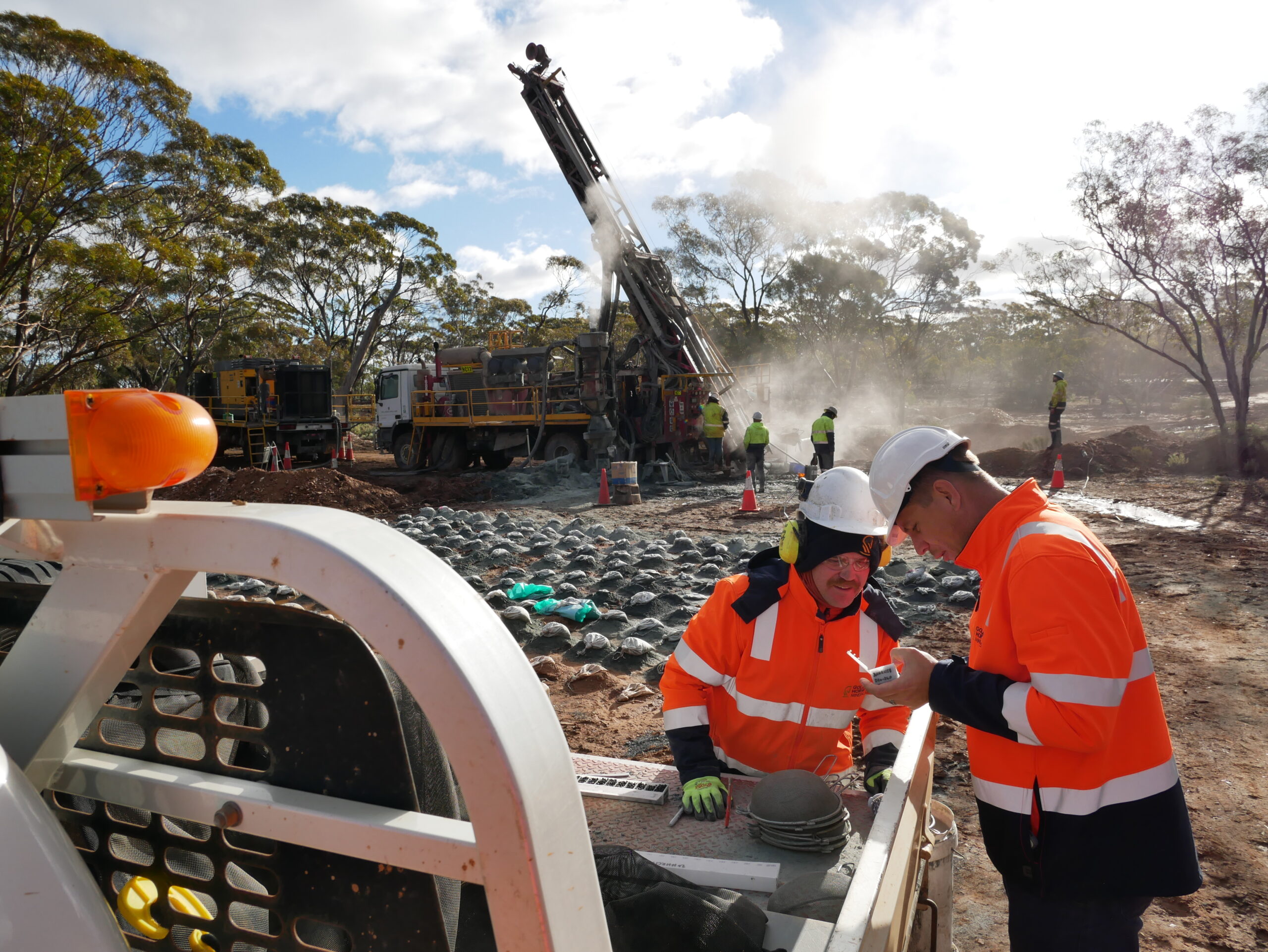
I’ve written so many times before about exploration being the lifeblood of industry. For all the high commodity prices and cutting-edge technology of the miners, the WA industry would be in trouble if not for the high volume of exploration undertaken in the State.
Not every drilling campaign leads to a new mine development, but the weight of the expenditure – $647.6 million on new deposits in the December quarter, according to Australian Bureau of Statistics data – ensures there will be a healthy pipeline of projects.
Similarly, not every junior an investor punts on is going to deliver a return but there is always the dream of the 10-bagger. If the incentive of the 10-bagger is capped and given to the tax man, the investment flow will inevitably stop.
To its credit, the WA State Government has already come out in support of the industry, with Premier Roger Cook telling me: “We want to make sure these complex rule changes don’t negatively impact the West Australian industry.”
So far, the Federal Government has given no indication it is willing to budge, saying only that further details will come in the regulations once the policies pass through Parliament.
It feels like they hadn’t properly anticipated the issue, further fuelling the suspicion many in the WA industry have that Canberra has no idea how the industry works.
This can be seen in everything from the CGT discount, to 2025’s Nature Positive legislation and then-Environment Minister Tanya Plibersek’s intervention in the New South Wales approval system for the McPhillamy’s gold project, all the way back to the super profits tax debacle, which became a major factor in that Labor Government’s eventual downfall.
Even at the state level, it is apparent that many public servants do not understand WA’s largest industry, and don’t particularly care to.
This can be seen in the Native Title and Aboriginal cultural heritage space, where ignorance from all stakeholders has led to a situation which is unworkable and serving nobody as it should.
Government doesn’t know how industry works, industry doesn’t know how government works and in the middle is a world of consultants, lobbyists and lawyers charging fees to both sides to plot a way through.
Fortunately, the recent Kelly review of WA’s Native Title and Aboriginal cultural heritage processes has shone a light on the poorly structured system.
If the review’s recommendations are implemented, it could be a rare bit of good news on the policy front for our explorers.