
As I wrote in my March column, there’s a growing maturity to the public-private relationship in African mining.
The sector is still not without its challenges – local content, resource nationalism creep, corruption, infrastructure gaps, regulatory inefficiency – but there is a willingness in many cases to address and engage on the issues, both behind closed doors and publicly.
Too often in the past, governments and investors have skirted around issues at conferences but, like at Mining Indaba which I referred to in March, Africa Down Under witnessed greater honesty now being projected.
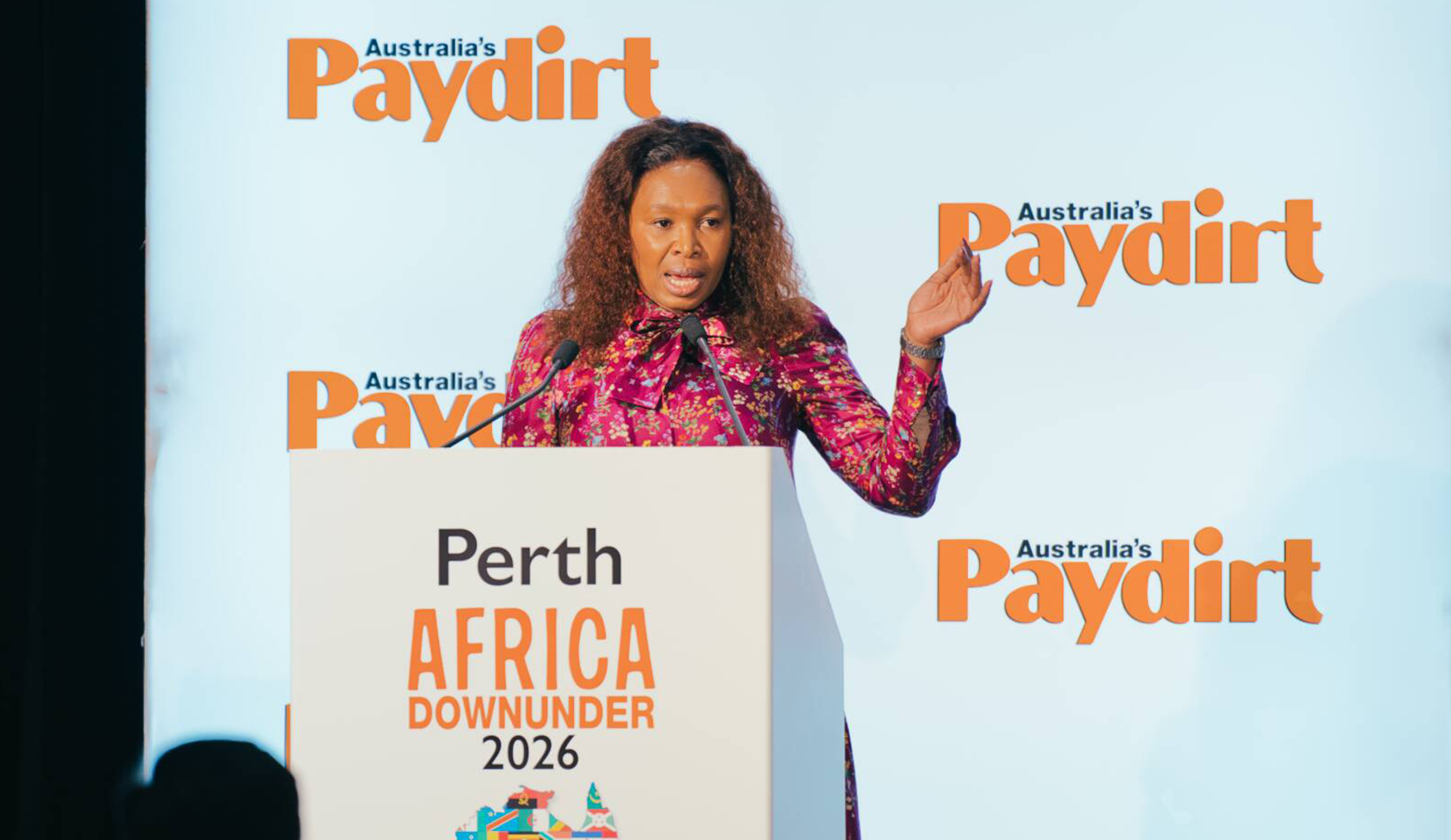
As at Mining Indaba, the starkest example came from South Africa. Unfortunately, Minister for Mining, Minerals and Petroleum Resources Gwede Mantashe didn’t make it to this year’s conference but deputy director general of the Department Ntokozo Nzimande did. Nzimande is an experienced mining regulator and you could tell it from her presentation. I’ve spent years watching South African Government presentations which lamented over its mining industry’s fall from grace. This year was different.
Where once the presentations focused on black economic empowerment (BBBEE) requirements and excuses for the poor state of infrastructure and the national mining licensing system, Nzimande came armed with positive policies and announcements aimed at redressing the slide.
She spoke of the removal of BBBEE requirements – currently set at 26% – for exploration companies and projects, of investment in pre-competitive data and digitising the national core library.
“We have done this with the understanding that exploration is quite risky, so we mustn’t bed in risk with those requirements,” Nzimande said of the initiatives.
Most importantly, she gave an update on the long-delayed digitising of the mining cadastre system and the move to a one-stop shop system for mine permits covering minerals, water and environmental licences.
“Ultimately this will result in cutting down red tape and we are looking at current processing timelines of 18 months and we are aiming for less than nine months,” she said.
The current situation in South African exploration is far from perfect, but the acknowledgement of the issues and potential solutions is a far cry from just a few years ago when there was an inherent distrust from government towards international explorers.
So too, is the recognition that not only is exploration the lifeblood of the mining sector but needs to be treated differently.
Often, countries with nascent mining sectors chase the big investors but this betrays a misunderstanding of the fundamentals of the minerals sector.
Unlike the oil and gas industry where majors do much of the greenfields exploration and discovery, the minerals sector relies on junior and mid-tier explorers to make the exploration breakthroughs.
Governments may be enamoured by the majors arriving and pledging to explore over vast swathes of land, but as we have seen on numerous occasions, these companies rarely move to develop greenfields projects quickly. Even here in Western Australia, we have examples such as Rio Tinto Ltd’s discovery and subsequent go-slow at the Winu copper-gold discovery as evidence.
Jurisdictions need dynamic, active exploration sectors if they are going to stock their development pipeline, not majors sitting on tracts of ground with little incentive to advance prospects.
Those countries on the Africa Down Under programme with the strongest development pipelines are those who have recognised this and have worked hard to attract junior and mid-tier miners. They may not ultimately be the companies to develop the projects, but they do provide the best chance of defining them.
The likes of Cote d’Ivoire and Malawi have risen over the last decade as exploration hotspots exactly because they have taken this approach.
Others, such as Zambia, Zimbabwe and now South Africa have begun to recognise this as well and are now ensuring attractive policy settings are in place.
Exploration capital is fluid, simply saying you have mineral potential is not enough. Investors have choices as to where they put their exploration dollars. If a country does not appear welcoming of it, they will place it elsewhere because there are enough technical risks associated around mining development, investors don’t need additional above-ground risk.
This starts with exploration but can be traced right through the project cycle. Even at the exploration stage, companies are assessing their end game. If the Government places stringent requirements around using local contractors or insisting on downstream value-addition, the initial investment will never materialise in the first place.