
Whenever you return from a major mining conference, the first question from those who couldn’t attend is always – ‘So, what was the mood?’
I always find this a difficult question to answer, not least because I’m usually exhausted by the end of these conferences. Also, there can never be one uniform “vibe” emanating from an event attracting thousands of people representing all facets of the industry. But, “I dunno” is also not a satisfactory answer for a seasoned delegate.
When it comes to Mining Indaba in Cape Town – to which we dedicate extensive coverage in this edition – I look for a few key indicators; the rhetoric from governments, the response from mining companies leaders (and whether the two approach any of the same talking points) and the strength of presence from other countries.
On the first point, I was actually mildly surprised and impressed by the mature nature of the discussion. South African Minister for Mineral and Petroleum Resources Gwede Mantashe assuaged his usual tum-thumping for the ANC Government to strike a conciliatory tone. His admission that the Government’s decision to include exploration licences in its Black Economic Empowerment (BEE) requires had stifled the exploration sector in the country was a welcome one.
Whether BEE is effective in addressing the vast inequalities South Africa experiences is a moot point, however, when it comes to exploration, there is no doubt the added expense of having to carry an unwanted or unneeded partner only serves to discourage new investors. Removing the BEE requirement clears the path to greater exploration activity, a clear goal for the Government. Now it needs to get its licensing system in order.
Mantashe’s comments were part of a wider trend in which African governments have begun to draw a distinction between mining and exploration. For too long, many governments have assumed exploration is an industry capable of injecting revenues into government coffers. They have failed to realise it needs nurturing and protecting if the country is to have any mineral future.
If Mantashe was in apologetic mood, Zambian President Hakainde Hichilema was in a celebratory one, having affected what is perhaps African mining’s strongest turnaround of the decade so far.
At the beginning of his presidency in 2022, Zambia’s copper industry was beginning to resemble the early years of South African mining’s decline, devoid of new entrants and with investment in exploration and expansion drying up.
Today, the country is pushing towards 1 mtpa copper production, well on its way to the 3 mtpa by 2030 target it has set itself. Hichilema’s actions speak even louder than his words, solving many of the industry’s crises and, as a result, turning Zambia’s economic performance around.
Hopefully the African governments in the room took note that it was pragmatic policies which propelled Zambia’s mining investment, not populist ones which fuel discontent with foreign investors, which generated the renewed prosperity.
On the “mood” of companies, it was clear Africa is very much back on the agenda for the world’s majors and larger mid-tiers.
Rio Tinto Ltd, BHP Ltd and Anglo American plc all suggested they were eager to return to Africa, particularly in their hunt for new copper discoveries, but they also cautioned there wouldn’t be immediate decisions.
Eager but not quite yet, which leads to the third point about the intercontinental presence at the conference.
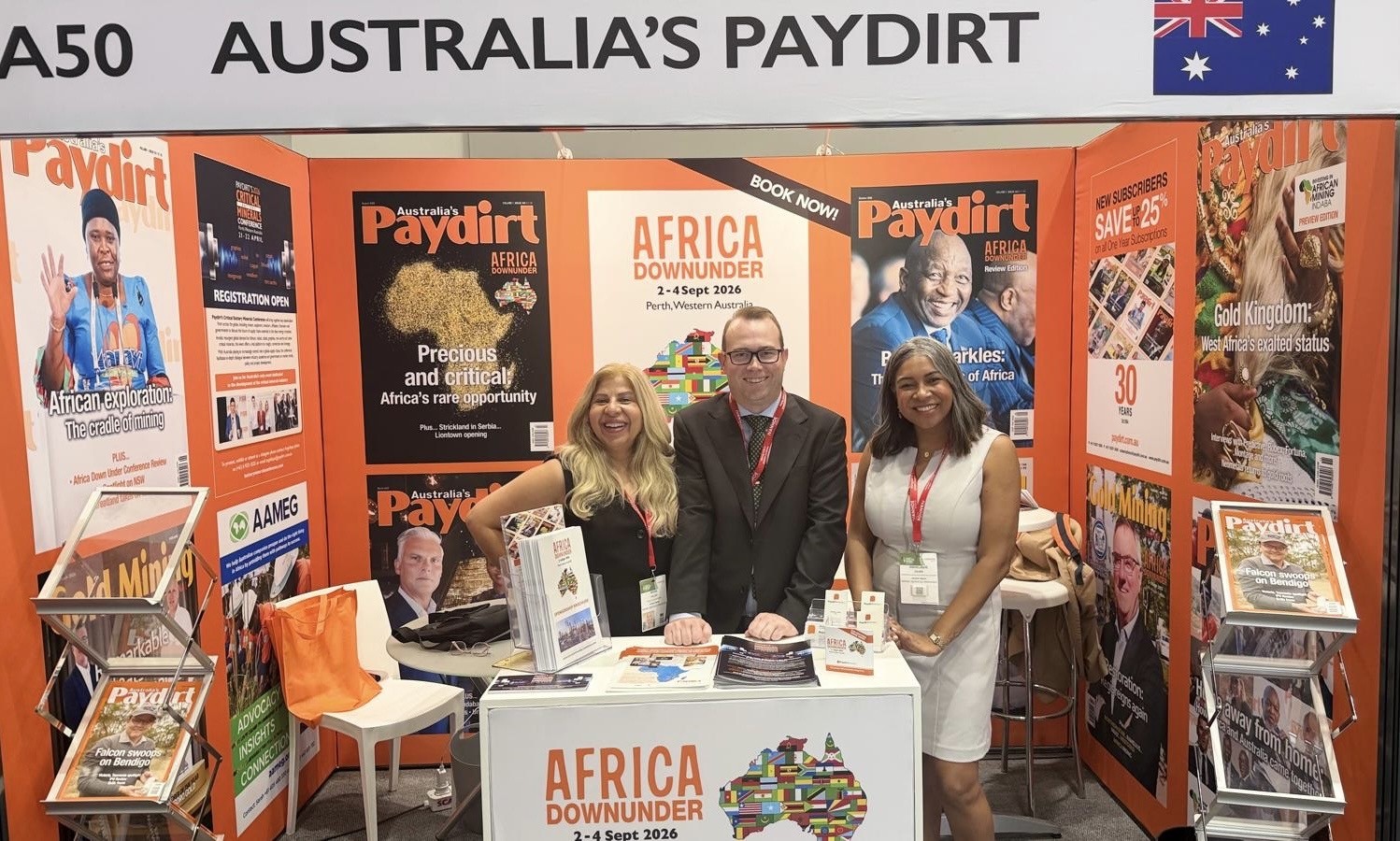
When I first attended Mining Indaba in 2007, the government presence was confined to African countries. Australia led the diversification, setting up the Australia Lounge on the main exhibition floor in the early 2010s and using it to great affect to meet with African ministers and provide a platform for Australian companies to speak with investors, partners and clients.
Lamentably, Australia long ago vacated and this space has been filled by an increasing array of international governments. In contrast to previous editions,
Saudi Arabia was less ostentatious this year, perhaps a reflection of its focus on its own international mining event.
The US and China even less visible, but trawling the delegate contact list, there were many senior representatives from both countries present. This is why I say the major mining houses’ reticence to move decisively back into Africa straight away could become a problem. They are no longer only competing among themselves. They are contending with private equity and sovereign states to access the best resources. Whether they are ready or not, the majors will have to soon take the plunge.
What does it all mean for Australian companies and investors?
Domestically-focused companies can continue to enjoy the delta – the African discount – endured by their peers. But ASX-listed explorers in Africa can expect to see much more corporate interest in their activity.
As for the actual “mood”? Well, being in Cape Town at the beginning of February with all its associated hospitality, scenery and welcoming people is enough to put anyone – even cynical editors – in a good mood.